 2157 Reviews on Google


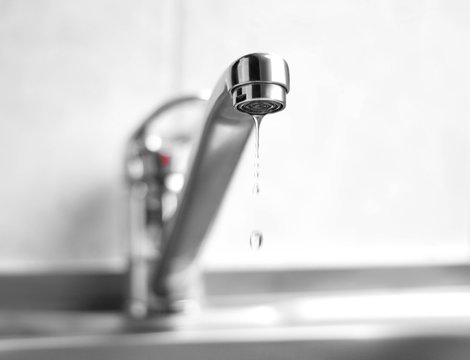
A faucet that drips after you turn it off is easy to notice. A pipe leaking behind a wall may give you little more than a stain or an unexplained increase in your water bill.
Recognizing the difference between a fixture problem and a wider plumbing issue helps you describe what’s happening and get the right repair. Start with three observations: where the symptom appears, whether it affects more than one fixture, and whether it happens continuously or only when water is used.
If water is spreading, sewage is entering the home, or plumbing leaks are reaching electrical equipment, stop using the affected area and arrange help promptly.
1. Dripping Faucets
A faucet that continues dripping after it is fully closed often has a worn internal part, such as a cartridge, washer, or valve seal. The appropriate repair depends on the faucet’s design.
Look beyond the spout. Water around the handle, faucet base, or supply connections can point to a different failure. A leak that runs beneath the sink may damage the cabinet before you notice it on the floor.
What to watch for: A persistent drip, water collecting around the base, or dampness inside the cabinet.
A drip does not automatically mean you need a new faucet. Repair may be practical when replacement parts are available and the fixture is otherwise in good condition. EPA identifies dripping faucets and leaking valves among common household leaks.
2. Running Toilets
A toilet should finish refilling after a flush. If you keep hearing water, or the tank refills periodically when nobody has used it, water may be escaping from the tank into the bowl.
Possible causes include a worn flapper or flush-valve seal, a chain that interferes with closing, or a fill valve that allows water to rise into the overflow tube.
What to watch for: Continuous tank noise, repeated refill cycles, or water moving into the bowl between flushes.
A running toilet is different from an overflowing toilet. Running usually involves the tank and refill components; rising bowl water may indicate a drainage problem. Water appearing around the toilet base needs separate investigation.
For suspected silent tank leaks, EPA recommends a dye test: add a few drops of food coloring to the tank and wait 10 minutes without flushing. Color appearing in the bowl indicates a leak. Flush afterward to help prevent staining.
3. Slow or Recurring Drain Clogs
Hair, soap residue, grease, and other material can restrict wastewater flow. A single slow sink may have a blockage near that fixture. A drain that repeatedly clogs after being cleared may have a restriction farther along the pipe or a condition that cleaning alone has not resolved.
What to watch for: Standing water, slow drainage, recurring odors, or a clog that returns soon after treatment.
Pay attention to which fixtures are involved. One slow shower and several drains backing up throughout the house are different problems.
GoHero’s drain-cleaning services address restricted drainage. For immediate steps to take when a clog or leak appears, see our clogged-drain and plumbing-leak troubleshooting guide.
4. Leaking Pipes and Connections
A pipe leak may come from a deteriorated section, damaged joint, loose connection, or another failure. Some leaks remain active whenever the plumbing is pressurized. Others appear only when a sink, tub, or appliance drains.
That distinction matters. Avoiding a sink may stop water entering a leaking drain, but it will not necessarily stop a pressurized supply-line leak.
What to watch for: Damp cabinets, stains, peeling finishes, persistent wet areas, or water appearing when a nearby fixture is used.
Visible moisture does not always reveal the source. Water can travel along framing or piping before it becomes noticeable. Leak detection can help locate a hidden plumbing leak, while leak repair addresses the failed component.
5. Low Water Pressure or Weak Fixture Flow
Weak flow is a water-supply symptom. Slow drainage is a wastewater-removal symptom. A clogged sewer line does not normally explain why clean water barely comes out of your faucet.
If one faucet has weak flow, an obstructed aerator, cartridge, or local valve may be involved. If several fixtures are affected, the cause could be a supply restriction, pressure-regulating equipment, a water-line leak, or a utility-side issue.
What to watch for: A sudden change, a problem affecting the whole house, or noticeably different flow between hot and cold water.
Tell your plumber whether the change is isolated or widespread. If nearby homes are affected too, check for a utility service notice.
6. Water Heater Problems
No hot water, inconsistent temperatures, and running out sooner than usual can have different causes. A failed heating component is one possibility; a change in household demand is another.
Popping or rumbling may be associated with sediment buildup, according to water-heater manufacturer A. O. Smith. Noise alone does not establish the condition of the tank or the right repair.
What to watch for: New noises, temperature changes, reduced hot-water supply, or moisture around the heater.
Water near the unit could come from a connection, valve, condensation, or the tank itself. Arrange an assessment rather than assuming the entire heater needs replacement. Never cap a dripping temperature-and-pressure relief valve.
GoHero provides water-heater services to diagnose performance problems and explain repair or replacement options.
7. Sewer Backups
Wastewater entering a shower, tub, or floor drain is more urgent than an isolated slow sink. A restriction in shared drainage or the main sewer line can affect several fixtures.
Possible causes include accumulated debris, root intrusion, or damaged piping. Similar symptoms in a home with a septic system may require a septic evaluation instead.
What to watch for: Several drains slowing together, gurgling when another fixture is used, or wastewater rising when the washing machine empties.
Stop using water and water-discharging appliances if they are causing backups. Keep people and pets away from sewage and arrange professional help. A sewer-line assessment can help determine whether the issue involves a blockage, damaged piping, or another condition.
8. Frozen or Freeze-Damaged Pipes
A Knoxville cold snap can expose weaknesses in plumbing near exterior walls, garages, crawl spaces, and other unheated areas.
If a faucet produces little or no water during freezing weather, a frozen pipe is one possible explanation. Damage may become apparent only after the ice thaws and water begins flowing again.
What to watch for: A sudden loss of flow during freezing conditions, frost on accessible piping, or new leakage as temperatures rise.
Never use an open flame to thaw plumbing. The American Red Cross recommends calling a licensed plumber when the frozen area cannot be located, is inaccessible, or cannot be thawed safely. If a pipe has burst, shut off the water supply when safe.
Before the next freeze, have vulnerable areas assessed. Plumbing winterization can help address exposed piping and seasonal preparation.
9. Leaking Outdoor Faucets
An outdoor faucet, also called a hose bibb, may drip from the spout, leak around the handle, or release water inside the wall when used.
Freeze damage can remain hidden until the faucet is turned on again. A frost-resistant design also needs proper installation and use; it is not protection against every freezing condition.
What to watch for: Dampness on the wall behind the faucet, water beneath it, or unexplained moisture indoors when the hose is running.
Stop using the faucet if water appears inside. Have it checked before assuming a new hose washer will solve the problem.
10. Sump Pump Failure
A sump pump removes water collecting in its pit. A power interruption, float or switch problem, blocked discharge, or pump failure can prevent it from working when needed.
What to watch for: Rising pit water without the pump starting, repeated cycling, unusual noises, or a pump that runs without lowering the water level.
Do not enter standing water to handle a plugged-in pump or its wiring. GoHero’s sump and sewer pump services can help investigate pump operation and discharge problems.
A working pump is only part of the picture. The discharge route and any backup arrangement also need to suit the property.
Which Plumbing Problems Need Prompt Attention?
An active supply leak that you cannot isolate needs a faster response than a contained faucet drip. Multiple wastewater backups, a suspected burst pipe, and water reaching electrical equipment also warrant prompt action.
Other problems deserve a scheduled repair before they become more disruptive: a running toilet, recurring slow drain, or outdoor faucet that leaks whenever it is used.
The size of the visible symptom does not reliably measure the damage. A small ceiling stain may come from a concealed leak, while a noisy toilet may be wasting water without wetting the floor.
What to Tell Your Plumber
A few specific observations make the first conversation more useful:
Which fixtures are affected?
Does the problem involve incoming water, drainage, or both?
Is it constant, or does it happen only during use?
Did it begin after freezing weather, maintenance, or another change?
Have you used a drain product, closed a valve, or attempted a repair?
Photos can help when they are safe to take. You do not need to run more water or recreate an overflow to demonstrate the problem.
Get the Cause Checked Before Choosing the Repair
A weak shower does not automatically require repiping. A slow sink does not establish a sewer failure. Good diagnosis should connect the symptoms to the part that actually needs attention.
GoHero Home Services provides plumbing services in Knoxville, including drain cleaning, leak repairs, and water-heater service. Contact our team to describe what you are seeing and arrange an assessment.
Frequently Asked Questions
Can a Clogged Drain Cause Low Water Pressure?
A drain blockage affects water leaving a fixture. Low supply pressure affects water arriving at it. The two symptoms may happen at the same time, but normally require separate explanations.
Does a Higher Water Bill Mean I Have a Hidden Leak?
Not necessarily. Increased use, irrigation, a running toilet, billing changes, or a concealed leak can contribute. Compare your usage and check visible fixtures before assuming where the problem is.
Should Old Pipes Automatically Be Replaced?
Age is one consideration, but condition, material, leak history, and the extent of deterioration matter too. An isolated repair may be appropriate in one home; repeated failures may justify a broader replacement discussion.
Is Every Sewer Backup Caused by Tree Roots?
No. Debris, damaged pipes, and other restrictions can also cause backups. The cause should be investigated before choosing a cleaning method or repair.